Maritime signals are devices, structures, or vessels installed and operated on water or land to guide seafarers or related organizations and individuals in orienting and determining the position of ships. The position and characteristics of these signals can indicate the boundaries of maritime channels, obstacles, or hazards to ensure safe navigation. Therefore, maintaining the operation of maritime signals is an extremely important task in ensuring maritime safety.
Some maritime signal devices provided and installed by Eyesea include:
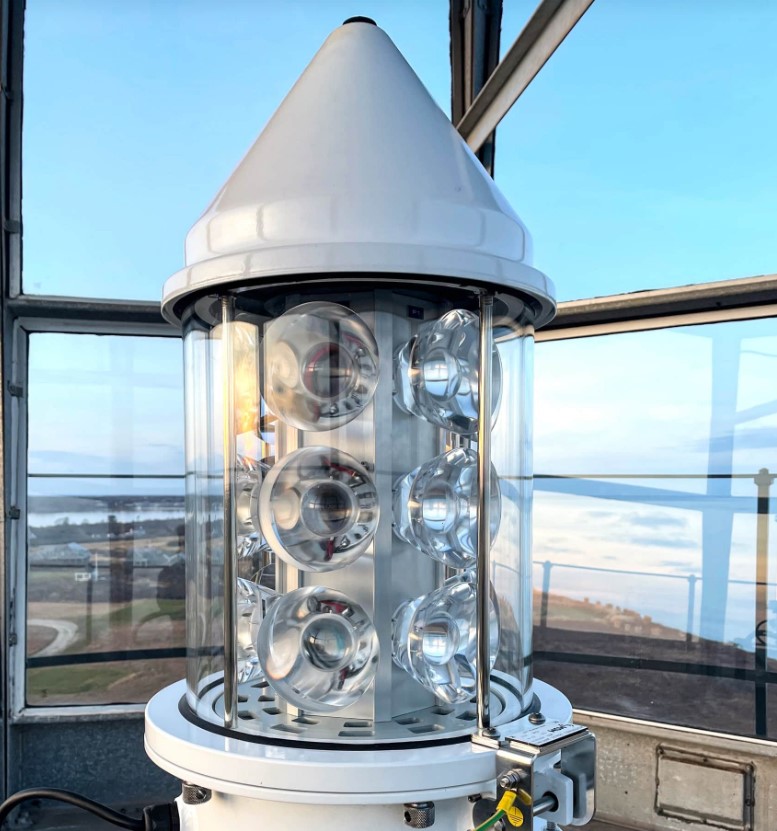
Maritime Signal Lights
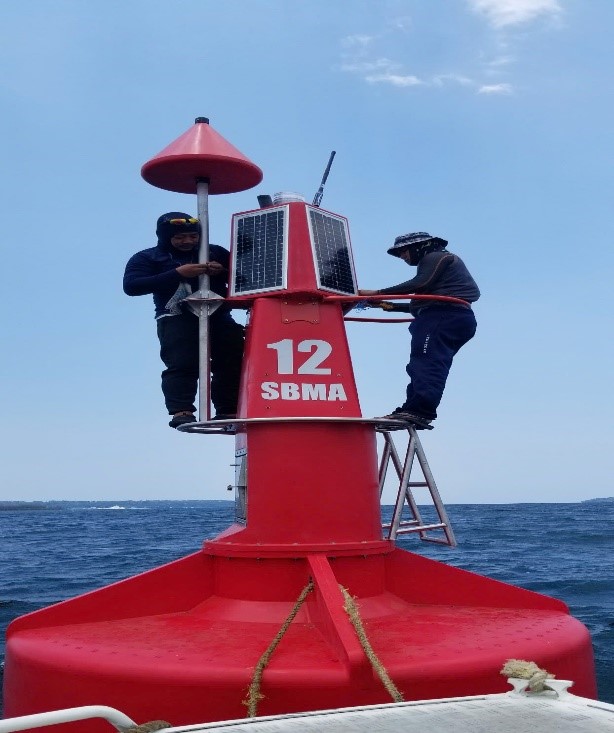
Maritime signal lights are devices that use light signals at night to help ships navigate during maritime journeys. These devices are typically installed on channel buoys, beacons, leading marks, lighthouses, offshore structures, and ports…
Maritime signal light integrated with AIS AtoN
The signal light integrated with the Automatic Identification System (AIS AtoN) is designed to transmit AIS messages 6 and 21, providing information to maritime traffic about the signal name, range, identification code, and enabling management authorities to view data on the light’s flashing characteristics and energy level without direct on-site monitoring. AIS AtoN-integrated signal lights can be installed on buoys, beacons, and lighthouses.
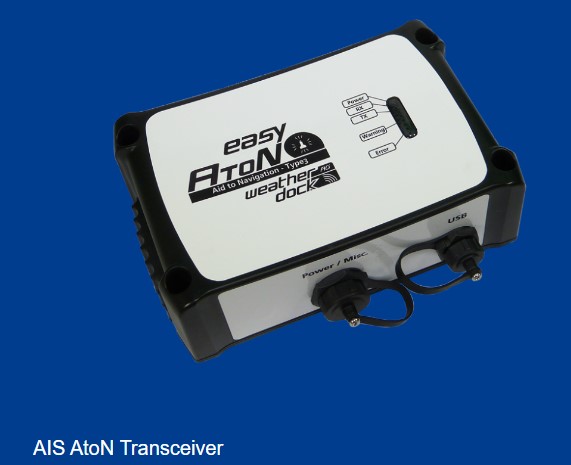
AIS AtoN Device
AtoN (Aids to Navigation) is a system that supports navigation guidance, installed together with maritime signal lights or on offshore structures, or integrated into meteorological and hydrological observation stations for monitoring maritime traffic. It can be installed nearshore or offshore, offering significant benefits for both military and maritime monitoring stations. The most critical parameter of the AtoN system is energy consumption. Since it is installed at sea, it depends on the energy system of the installation platform, typically solar power on buoys.
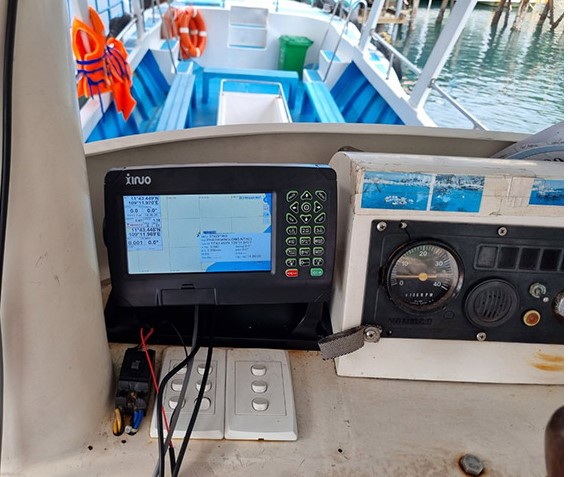
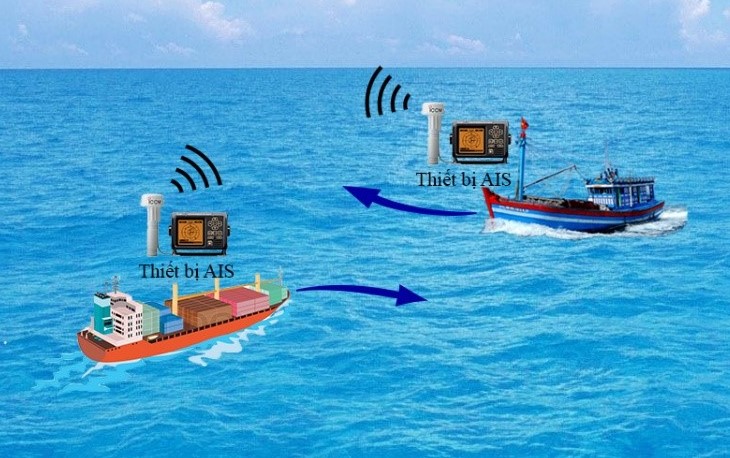
AIS Device for Vessels
AIS Class A and Class B are common devices used on inland waterway vessels to ensure maritime safety:
· AIS Class A: Used for large commercial ships operating on international routes, with transmission power up to 12.5W.
· AIS Class B: With transmission power of 2W, used for inland waterway vessels.